Every movement in the market is driven by orders. Before institutions can buy or sell large positions, they first need enough opposing orders to fill those trades. These pools of pending orders are known as liquidity, and they are one of the biggest reasons price moves the way it does.
📖 In One Sentence
Liquidity is a collection of pending buy or sell orders that institutions seek before making significant market moves.
Learning Objectives
- Understand what liquidity is.
- Identify buy-side and sell-side liquidity.
- Recognise liquidity sweeps.
- Learn why institutions target liquidity.
Definition
Liquidity refers to areas where many traders have placed pending orders or stop losses. These areas provide institutions with enough volume to execute large trades without causing excessive price movement.
Retail traders often place stop losses above swing highs and below swing lows. Institutions know this and frequently push price into these areas before reversing.
Concept Diagram
The illustration below demonstrates liquidity resting above previous equal highs, where institutions seek orders before making significant market moves.
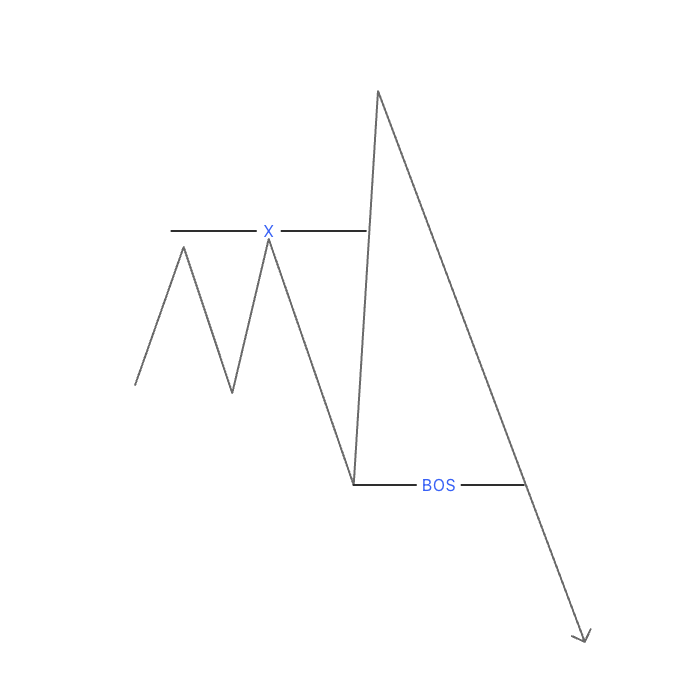
Liquidity fuels the market. Institutions often push price into areas where many traders have placed stop losses before reversing.
Real Market Example
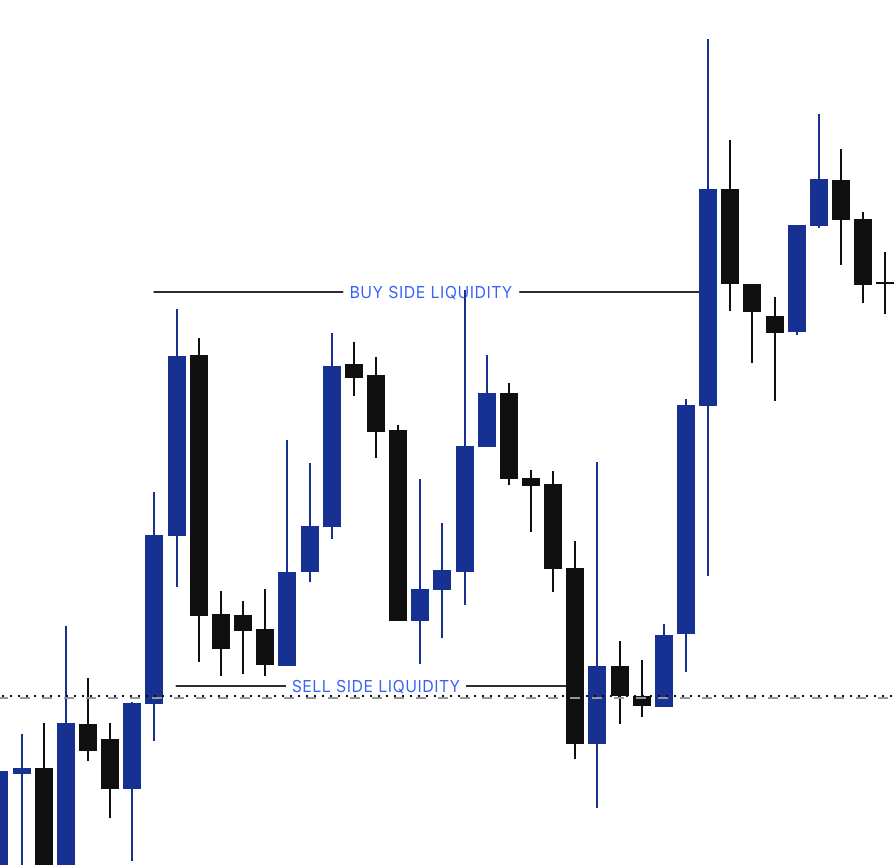
Figure 1. Example of liquidity resting above previous equal highs and below previous equal lows, where institutions seek orders before making significant market moves.
Liquidity Sweep
Price briefly moves above a previous high to trigger buy-side liquidity before reversing lower. This provides institutions with the liquidity required to enter large sell positions.
Why Liquidity Matters
Institutions cannot simply enter massive positions whenever they want. They need enough buyers or sellers on the opposite side of their trades.
Liquidity provides those counterparties, making it one of the most important concepts in Smart Money trading.
Types of Liquidity
📈 Buy-Side Liquidity (BSL)
Buy-side liquidity is found above previous highs. It consists mainly of buy stop orders and short sellers' stop losses.
📉 Sell-Side Liquidity (SSL)
Sell-side liquidity is found below previous lows. It contains sell stop orders and long traders' stop losses.
How to Identify Liquidity
Common Mistakes
- Buying directly into buy-side liquidity.
- Selling directly into sell-side liquidity.
- Ignoring higher timeframe liquidity.
- Assuming every liquidity sweep leads to a reversal.
Key Takeaways
- Liquidity is where large numbers of orders accumulate.
- Institutions often move price towards liquidity.
- Liquidity sweeps frequently occur before major moves.
- Always combine liquidity with BOS, CHoCH and Order Blocks.
Practice Finding Liquidity
Open your charts and mark every obvious swing high and swing low. Observe how often price moves into those areas before continuing or reversing.
Open a Demo Trading Account →